Summarize with
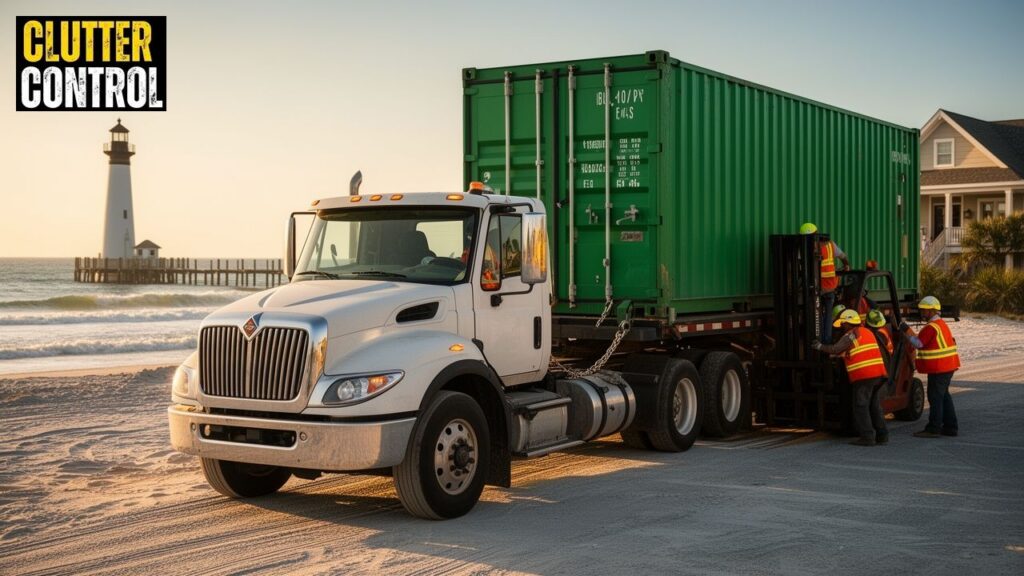
Appliance removal in Biloxi, MS is the safe removal of an old ice box, washer, dryer, stove, or water heater from your home, and taking it to a facility where it can be properly recycled or disposed of, rather than just dawdling it to the curb and hoping the city truck will come to pick it up. It’s the second part that throws many homeowners here for a loop, because not all appliances are allowed to be thrown away in the trash.
A dead chest freezer is not the same as a broken microwave. One contains refrigerant, which must be recovered by a certified technician before it can be scrapped; the other is simply bulky metal and plastic. Mix them up, and you may find a unit on your porch for weeks; no one will touch it. This guide explains what really happens when appliances are removed in Biloxi, MS, what local rules are in place, and how to remove an old appliance from the house without the hassle.
Appliance Removal in Biloxi, MS: What Makes It Different From Regular Trash Pickup
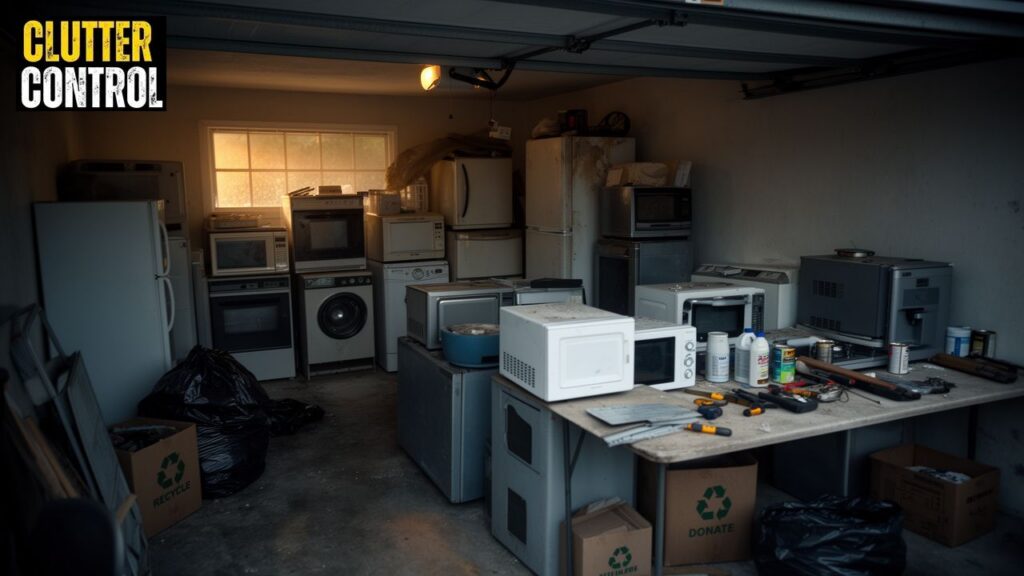
The biggest thing to look for to remove is whether or not an appliance has refrigerant in it. This includes refrigerators, chest and upright freezers, window air conditioners, dehumidifiers and wine coolers. Federal regulations require the refrigerant to be recovered by a certified technician before the unit can be scrapped or recycled. Other items, such as washers, dryers, ranges, dishwashers, and water heaters, are easier to move but still heavy enough to injure a person or scratch a door frame if not moved correctly.
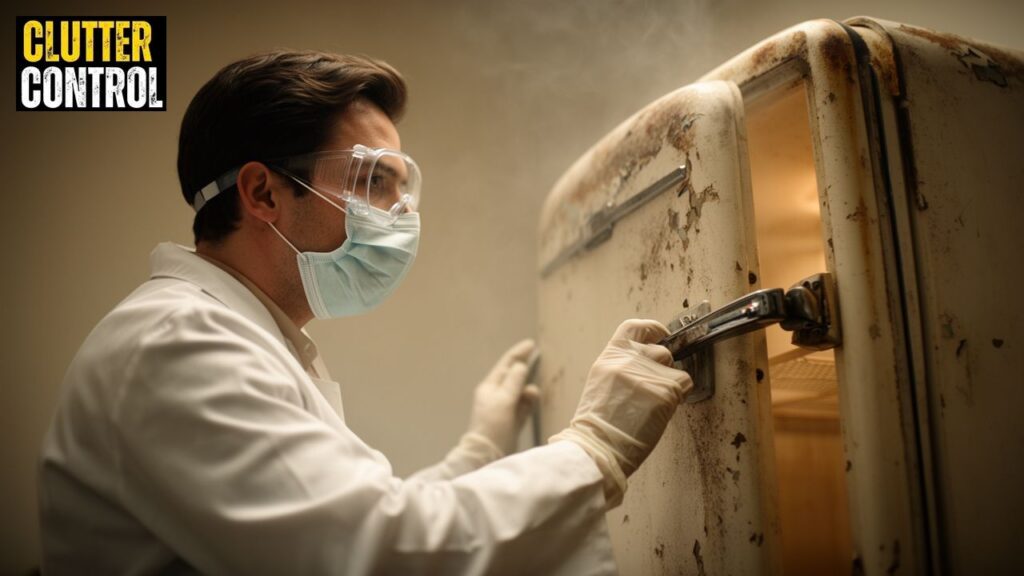
Appliances containing refrigerants. Refrigerator removal in Biloxi, MS, is not just picking it up and loading it. The Section 608 rules of the Clean Air Act require the coolant to be recovered and documented before the appliance can be crushed, scrapped, or recycled, and the EPA has detailed guidance on how that recovery is supposed to work and who is responsible for it. Skip that step and you’re not just violating a rule, but you’re pumping ozone-depleting gas into a coastal environment that doesn’t need the extra pressure.
Appliances not refrigerant. Biloxi washer-dryer removal is often quicker as there is no coolant involved, just weight and awkward dimensions. But a front-load washer filled with sand and salt from a beach house laundry room can be heavier than it appears. Stairs or narrow hallways in older Biloxi homes built on pilings are another factor. You may find it helpful to consult the Mississippi Department of Environmental Quality’s (MDEQ) guidance on proper disposal and recycling of waste before setting out large household appliances for collection or disposal.
Comparing Your Options: DIY Disposal vs. a Professional Haul-Away
There are two common ways homeowners choose to remove an appliance from their home, and the best option is not necessarily the one they prefer, but rather the type of appliance and how it must be removed. Two factors that frequently drive people to hire an appliance removal service instead of doing it themselves are the weight of the appliance and the handling of the refrigerant, according to industry cost-estimate sites that monitor trends in.
| Decision Factor | DIY Curbside / Drop-Off | Professional Appliance Haul-Away |
| Physical labor | You lift, carry, and load it yourself | Crew handles lifting and loading |
| Refrigerant compliance | You must arrange certified recovery separately | Recovery and paperwork handled as part of the job |
| Vehicle needed | Truck or trailer required for most units | Not needed — hauled in the company’s vehicle |
| Scheduling flexibility | Tied to your city or county’s pickup calendar | Flexible, often same-week |
| Best suited for | A single, lightweight, non-refrigerant item | Refrigerators, multiple units, or full kitchen swaps |
Hidden Factors That Change How Old Appliance Disposal Plays Out in Biloxi
Coastal humidity and salt air are the two things that quietly complicate old appliance disposal in Biloxi in ways homeowners further inland rarely deal with. Timing matters, too. Storm season on the Mississippi Gulf Coast runs roughly June through November, and that’s exactly when a lot of appliance replacements happen — a flooded refrigerator or a washer that took on water during a tropical system. Scheduling a pickup ahead of a named storm, rather than after, tends to go a lot smoother, since demand for removal services spikes right after major weather events.
Safety and Compliance Guidelines for Appliance Recycling in Biloxi, MS
Appliance recycling in Biloxi, MS, isn’t optional for refrigerant-bearing units; it’s a federal requirement, and local recyclers and utility authorities generally won’t accept an appliance without proof that the refrigerant was properly recovered. Beyond the legal side, there are basic safety habits worth following: unplug every appliance before it’s moved, never carry a refrigerator or freezer with the door facing outward on a hand truck, and always shut off the water supply valves behind a washer before disconnecting the hoses.
Gas ranges deserve their own note. Disconnecting a gas line yourself is not a great idea — that’s a job for a licensed plumber or the utility company, and most reputable removal crews will ask for confirmation that the line is capped before they’ll touch the unit.
The Appliance Removal Process, Step by Step
- Identify the appliance type: Note whether it holds refrigerant, since that determines the whole process.
- Disconnect utilities: Unplug electric units, shut off water valves for washers and dishwashers, and have gas lines capped by a licensed professional if needed.
- Clear a path: Measure doorways and hallways — a lot of Biloxi homes on raised foundations have narrower stairwells than you’d expect.
- Schedule appliance pickup in Biloxi, MS: Book with a hauler or check your city’s bulky-item calendar, whichever route you’re going.
- Confirm refrigerant recovery: For fridges, freezers, and AC units, get written confirmation that the coolant was properly recovered before removal.
- Load and haul: The unit gets moved out and transported to the appropriate recycling or scrap facility.
- Verify final disposition: Ask where the appliance actually ended up — recycled for scrap metal, donated if still functional, or properly disposed of.
Things to Consider Before Making a Decision
Refrigerant status: Know whether the appliance needs certified coolant recovery before you plan the removal. This alone determines whether curbside pickup is even an option.
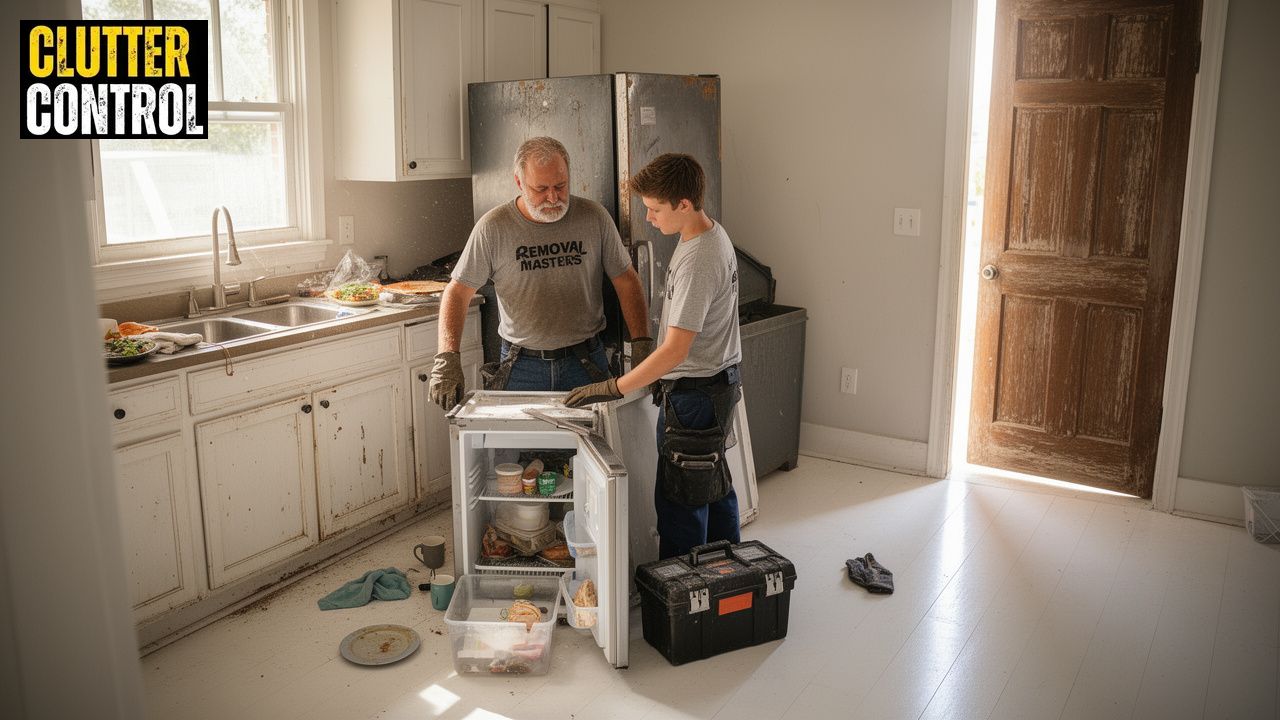
Access and layout: If the house is on pilings or has a narrow interior stairway, you may need more than a truck and a dolly; you may need a crew that is experienced in moving heavy items through narrow spaces.
Storm timing: Removing before hurricane season, instead of trying to get a unit removed after a storm has flooded it, usually results in shorter wait times and less competition for slots.
Number of appliances: A single dead microwave is a different job than clearing out an entire kitchen during a renovation. Bundling multiple units into one haul-away trip is usually more efficient than several separate pickups.
Final destination: Ask whether the appliance will be recycled for scrap, donated, or landfilled — it affects both the environmental impact and, in some cases, whether you need documentation for insurance or warranty purposes.
Answers to Common Questions About Appliance Removal in Biloxi, MS
A lot of the questions homeowners ask come down to timing and what’s actually allowed curbside. For instance, someone dealing with a fridge that died the week before a tropical storm warning wants to know if they can just leave it out front, and the honest answer is usually no, not without prior arrangement.
Q1:Does regular trash pickup in Biloxi take old refrigerators?
Generally, no. Refrigerant-bearing appliances require certified coolant recovery before they can be collected, so most curbside services either refuse them outright or require a tag confirming the refrigerant was removed.
Q2: How is appliance pickup in Biloxi, MS, scheduled?
It depends on the route — city and county bulky-item pickup runs on a set calendar, while a private haul-away service can typically schedule within the same week, sometimes faster.
Q3: What do you do with appliances when they are taken away?
Depending on the facility, metal parts are typically separated and recycled as scrap, refrigerant is recovered and reclaimed by a certified technician, and any glass or plastic housing is processed separately.
Q4: May I place a washer/dryer in the regular bulk trash?
Typically, yes, as neither has refrigerant, although local regulations may restrict the number of large items collected and specify a distance from the street.
Q5: What should I do with an appliance damaged by storm flooding?
Move it out of the house as soon as it’s safe to do so — standing water inside a washer or refrigerator invites mold within days in Gulf Coast humidity, and a flooded unit is rarely worth repairing anyway.
Expert Advice for Biloxi Homeowners
The most important choice is not between DIY and hiring it out; it’s knowing what’s in the appliance before you move it. Refrigerant changes everything, from who can touch it to where it can legally go, and coastal weather adds a sense of urgency that homeowners further inland don’t consider. Schedule for storm season, ensure refrigerant recovery before anything leaves the house, and don’t wait for the next day to deal with a flooded appliance.
Expert Support for Your Appliance Removal Project
Clutter Control Junk Removal and Demo handles the full range of appliance removal in Biloxi — refrigerators, freezers, washers, dryers, ranges, and water heaters — including certified refrigerant recovery so nothing gets stuck waiting on a technician. Contact Clutter Control Junk Removal and Demo at (228) 234-5023 or email jay.cambre999@gmail.com to discuss your specific needs. A local crew that already knows Biloxi’s coastal housing layouts and storm-season pressures tends to make this a lot less stressful than figuring it out alone.
Sources