

Summarize with
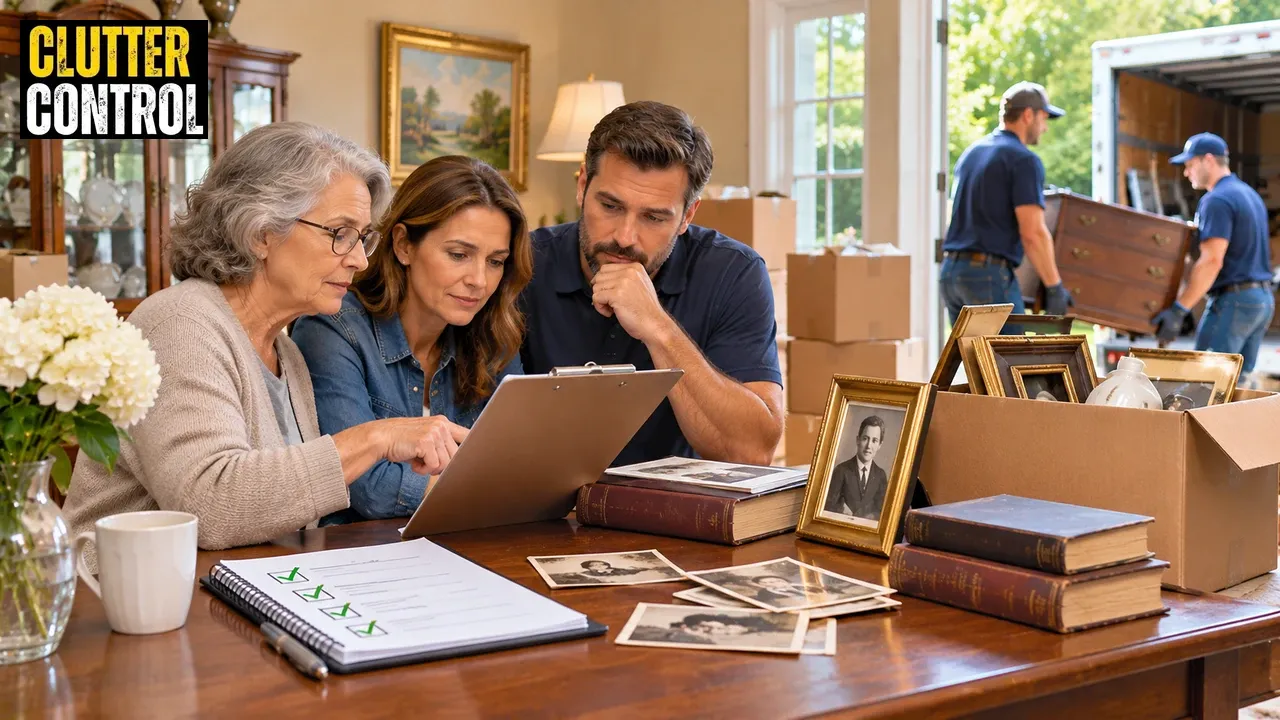
Clearing a loved one’s home after their passing takes patience and careful planning. An estate cleanout helps families organize personal belongings and separate valuable items from things that need donation or removal. Clutter Control Junk Removal and Demo provides professional cleanout services across the Mississippi Gulf Coast to make the physical work easier.
You do not have to empty every room in one day. Start with important paperwork and family decisions. Then sort furniture and household items before arranging removal.
What Is an Estate Cleanout and When Should You Start
An estate cleanout is the process of sorting and removing a home’s belongings after someone passes away. It prepares the property for sale or transfer while giving family members time to decide what happens to personal possessions.
The work can involve several rooms and years of accumulated belongings. Some items have financial value while others carry personal memories. A clear plan helps families manage both without rushing important decisions.
- Preparing a house for sale.
- Clearing a home after a family member passes away.
- Returning a rented property to its owner.
- Preparing a property for renovation.
- Distributing belongings among family members.
- Removing furniture and appliances that nobody wants to keep.
The first step is understanding who has authority over the property and its contents. An executor or authorized representative should coordinate decisions before anything valuable is removed.
For additional information about removal options and the process involved, you can also read Clutter Control’s junk removal services guide.
Step 1: Secure Important Documents and Valuables
Before moving furniture or removing boxes, you should collect important paperwork and secure valuable possessions. This prevents important records and personal belongings from getting mixed with items scheduled for disposal. Start by checking filing cabinets and bedroom drawers. Look through desks and storage containers carefully. Some important documents may be stored in unexpected places.
- Testament
- Property deeds and vehicle titles.
- Bank statements and financial records.
- Insurance policies.
- Tax documents.
- Birth certificates and identification records.
- Medical documents.
- Marriage and other family records.
- Jewelry and valuable collections.
- Keys and important account information.
Place paperwork in labeled folders and store valuables in a secure location. Take photographs of expensive items before moving them.
| Tip 1: Create a separate inventory for valuable possessions. Record the item description and its condition. This gives family members a shared record and makes disagreements easier to resolve. |
Do not assume that every relative can authorize the removal or sale of property. Confirm the executor’s authority or speak with an estate attorney when ownership or probate questions arise.
Step 2: Build an Estate Cleanout Checklist Before Sorting
A written estate cleanout gives everyone a clear idea of what needs attention. It also prevents family members from repeatedly checking the same rooms or overlooking important belongings. Walk through the entire property before starting physical work. Include closets and cabinets as well as garages and outdoor storage areas. Use this room by room plan:
| Area | What to check | Priority |
|---|---|---|
| Bedrooms | Clothing, jewelry, and personal documents | High |
| Living room | Furniture, photographs, and decorations | Medium |
| Kitchen | Appliances and cookware and pantry items | Medium |
| Bathrooms | Toiletries, medications, and cleaning products | High |
| Garage | Tools, equipment, and stored materials | Medium |
| Attic | Old boxes and seasonal belongings | Medium |
| Yard | Outdoor furniture and damaged materials | Low |
Mark each room after the inspection. Make a list of items that require family approval before removal. It is also useful to assign responsibilities. One person can manage paperwork while another coordinates donations. Someone else can photograph belongings and communicate with relatives who live elsewhere.
| Key Takeaway:
A room-by-room checklist reduces confusion and makes it easier to track what has been saved and what still needs attention. |
Step 3: Sort Belongings Into Five Categories
Sorting belongings before scheduling collection saves time and prevents useful possessions from being discarded. Give every item a clear destination so family members know what should stay and what can leave the property.
- Keep: Set aside family photographs, documents, jewelry, and meaningful personal possessions. Ask relatives whether they want specific furniture or household items.
- Donate: Separate usable clothing, furniture, and kitchen supplies. These items may benefit another household when they are clean and in acceptable condition.
- Sell: Identify antiques and collectibles and valuable furniture. Research their condition and market value before accepting an offer.
- Recycle: Separate suitable cardboard, metal, and other accepted recyclable materials.
- Dispose: Place broken furniture and unusable household goods and damaged belongings in a separate removal area.
Do not rush through sentimental items. Give relatives time to review photographs and letters and personal collections. For families who cannot agree on certain possessions, a shared inventory can help. Photograph the item and allow everyone to discuss its value and importance before making a final decision.
What to Do With Belongings After a Death
Belongings after a death depend on their condition, sentimental value, and the wishes of the family. Some possessions should remain with relatives. Others may be suitable for donation or resale. Items that are damaged or unusable can be directed toward appropriate disposal. Mississippi families should also consider the local disposal requirements for chemicals and other restricted household materials.
The Mississippi Department of Environmental Quality’s household hazardous waste information explains how residents can handle materials such as paint, pesticides, and antifreeze. Do not place these products in ordinary household trash without checking the appropriate disposal instructions.
Step 4: Decide Whether to Donate or Sell Estate Items
Families can recover some value from usable belongings by selling them or helping others through donations. The right choice depends on the item’s condition and demand and the time available. Before arranging a sale or donation, review each item separately.
Selling
- Antique furniture.
- Collectible household items.
- Jewelry and watches.
- Working appliances.
- Tools and equipment.
- Artwork and decorative pieces.
Donating
- Clean clothing.
- Usable kitchenware.
- Furniture in acceptable condition.
- Books and household supplies.
- Working small appliances.
Photograph valuable possessions and research comparable listings before setting prices. For larger collections, you may consider an estate sale professional. Donation organizations have their own acceptance policies. Contact them before transporting furniture or appliances. Some organizations do not accept damaged or oversized items.
Local Disposal and Recycling
Families in Biloxi and Gulfport should pay attention to the condition of stored belongings before deciding whether they can be donated or recycled. Heat and humidity can damage cardboard and upholstered furniture and stored clothing.
- Damp or deteriorated cardboard boxes.
- Musty furniture and fabrics.
- Water-damaged mattresses.
- Rusted metal equipment.
- Damaged outdoor furniture.
- Items affected by previous storm or roof leaks.
Do not donate belongings with visible mold or significant water damage. The MDEQ Harrison County recycling directory identifies local recycling options. It lists accepted materials and program information for locations including Biloxi and Gulfport.
This local information matters because recycling acceptance can differ between materials and collection programs. Confirm current requirements before transporting items.
Step 5: Arrange Professional Estate Cleanout Services
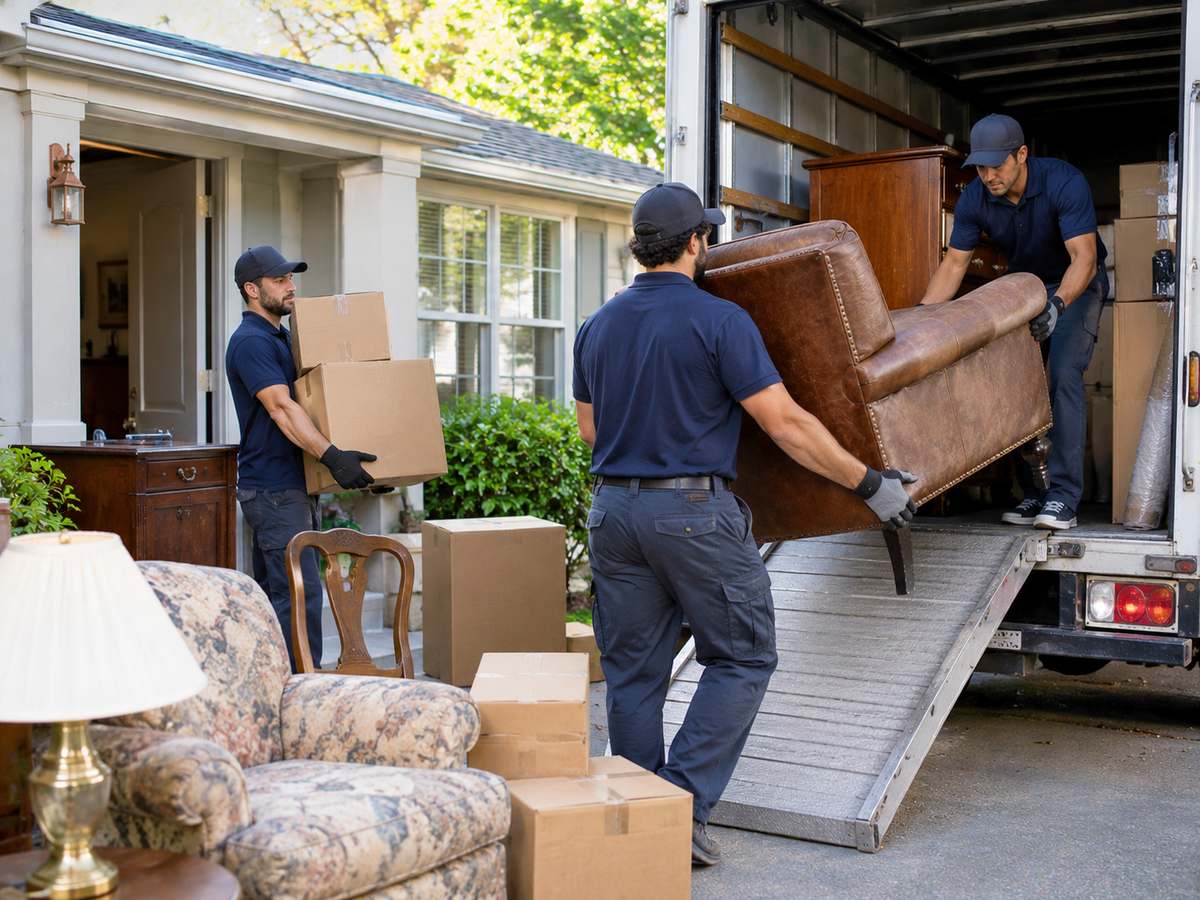
Professional cleanout services are useful when a home contains large furniture and appliances and more belongings than family members can reasonably remove themselves. A removal crew can handle the physical work while relatives focus on paperwork and important decisions. This is particularly helpful when family members live outside Mississippi or have limited time to manage the property.
- Several rooms contain unwanted furniture.
- Heavy appliances need removal.
- The property must be prepared for listing.
- Family members cannot handle repeated hauling trips.
- A garage or attic contains years of accumulated belongings.
- The home needs to be cleared within a specific timeframe.
Clutter Control Junk Removal and Demo handles property cleanouts across Biloxi, Gulfport, Ocean Springs, and surrounding Mississippi Gulf Coast communities. The company’s cleanout service covers entire homes, garages, attics, and outdoor spaces. Its crew handles loading and hauling so families do not need to move bulky belongings to the curb themselves.
Before scheduling, ask about the removal process and pricing, and which materials require separate disposal arrangements.
| Pro Tip: Take photographs of the rooms before requesting an estimate. Show the furniture, boxes, and appliances that need removal. This helps the company understand the job before discussing the collection schedule. |
Step 6: Understand Estate Cleanout Cost and Pricing Factors
The cost depends on the quantity of belongings, the amount of labor, and the difficulty of accessing the property. A small apartment with a few unwanted items will usually require less work than a fully furnished house with several storage areas. There is no single price that applies to every property. Request an estimate based on the actual items and removal requirements.
Pricing Factors
| Pricing factor | How it affects the cost |
|---|---|
| Volume of belongings | More items require more hauling capacity |
| Furniture size | Heavy and bulky pieces require additional labor |
| Property access | Stairs and narrow hallways can increase handling time |
| Number of rooms | Larger properties generally require more work |
| Special materials | Certain items need separate disposal arrangements |
| Labor requirements | Extensive sorting and loading can increase the total |
How to Price Cleanouts
To understand how to price cleanouts, start by estimating the amount of material that needs removal. Then consider access, labor, and any special handling requirements.
- Number of rooms being cleared.
- Quantity of furniture and appliances.
- Estimated truck space required.
- Distance between the property and loading area.
- Number of workers needed.
- Disposal and recycling requirements.
Ask whether the quote includes labor, loading, transportation, and disposal fees. Also confirm whether additional trips will cost extra. Avoid comparing estimates based only on the starting price. A lower quote may not cover the same amount of work.
Step 7: Prepare the Property for Its Next Use
After belongings have been removed, the property needs a final inspection. This makes it easier to identify repairs and cleaning requirements before the next stage. Walk through every room and check the areas that were previously covered by furniture and storage boxes.
- Remove remaining trash.
- Check floors and walls for damage.
- Inspect cabinets and closets.
- Look for signs of moisture.
- Check appliances that will remain.
- Confirm that important documents have been removed.
- Collect keys and access devices.
- Arrange any required deep cleaning or repairs.
Mississippi Gulf Coast properties deserve particular attention to moisture exposure. Check around windows and exterior doors and under sinks for signs of water intrusion. If the property is being prepared for sale, arrange any necessary maintenance before photographs or buyer visits. A clear property also makes it easier for contractors and real estate professionals to assess the remaining work.
| Tip 2: Set a family decision deadline
Give relatives a reasonable amount of time to claim personal possessions. Set a clear date for final decisions about furniture and household items. This prevents belongings from remaining in the home indefinitely. |
How Long Does the Process Usually Take?
The timeline depends on the size of the property, the amount of sorting, and the number of people involved. A small home may be cleared in a few days while a larger property with extensive belongings can require several weeks. Allow additional time when relatives need to travel or valuable possessions require appraisal.
Probate matters and property sale arrangements can also affect the overall schedule. Professional removal can shorten the physical clearing stage. However, it does not replace the time needed for family decisions and legal arrangements.
Frequently Asked Questions
What Is the Best Way to Clean Out a House After Someone Dies?
Start by securing important documents and valuables. Then confirm who has authority to make decisions about the belongings. Sort everything into keep, donate, sell, recycle, and disposal categories before arranging professional removal.
How Long Does an Estate Cleanout Take?
A small property may take a few days to clear. Larger homes with multiple rooms and storage areas can take several weeks. Family decisions and property access can also affect the timeline.
How Long After Someone Dies Can You Sell Their House?
There is no single waiting period that applies to every situation. The timing depends on property ownership and probate requirements and whether the person handling the sale has legal authority. Consult a Mississippi estate attorney before listing or transferring the property.
How to Do Estate Cleanouts?
Start with paperwork and family coordination. Inspect every room and separate belongings into clear categories. Arrange donations and sales before scheduling removal for unwanted furniture and household items.
What Is an Estate Cleanout?
It is the process of organizing and removing belongings from a deceased person’s home. Families use it to distribute possessions and prepare the property for sale or another use.
How to Price Cleanouts?
Estimate the volume of belongings and consider the number of rooms, labor, and property access. Include transportation and disposal requirements when comparing professional estimates.
Conclusion
Clearing a loved one’s home takes careful planning and time. From securing important documents to sorting belongings and arranging donations and disposal, each step helps families manage the process without overlooking valuable possessions. A clear plan also makes it easier to prepare the property for sale or its next use.
Clutter Control Junk Removal and Demo provides professional cleanout services for families across the Mississippi Gulf Coast. Whether you need a few bulky items removed or an entire property cleared, the company can handle the hauling and removal work while you focus on family priorities.
Get Professional Estate Cleanout Help From Clutter Control
Clearing a loved one’s home can be physically and emotionally demanding. Let Clutter Control Junk Removal and Demo handle the heavy lifting while you focus on family priorities. From unwanted furniture to household belongings, the team provides cleanout support across the Mississippi Gulf Coast.
Contact the team today to discuss your property and request an estimate. Schedule professional removal and take the next step toward a clean and ready-to-use space.
- Call: (228) 234-5023
- Email: jay.cambre999@gmail.com